
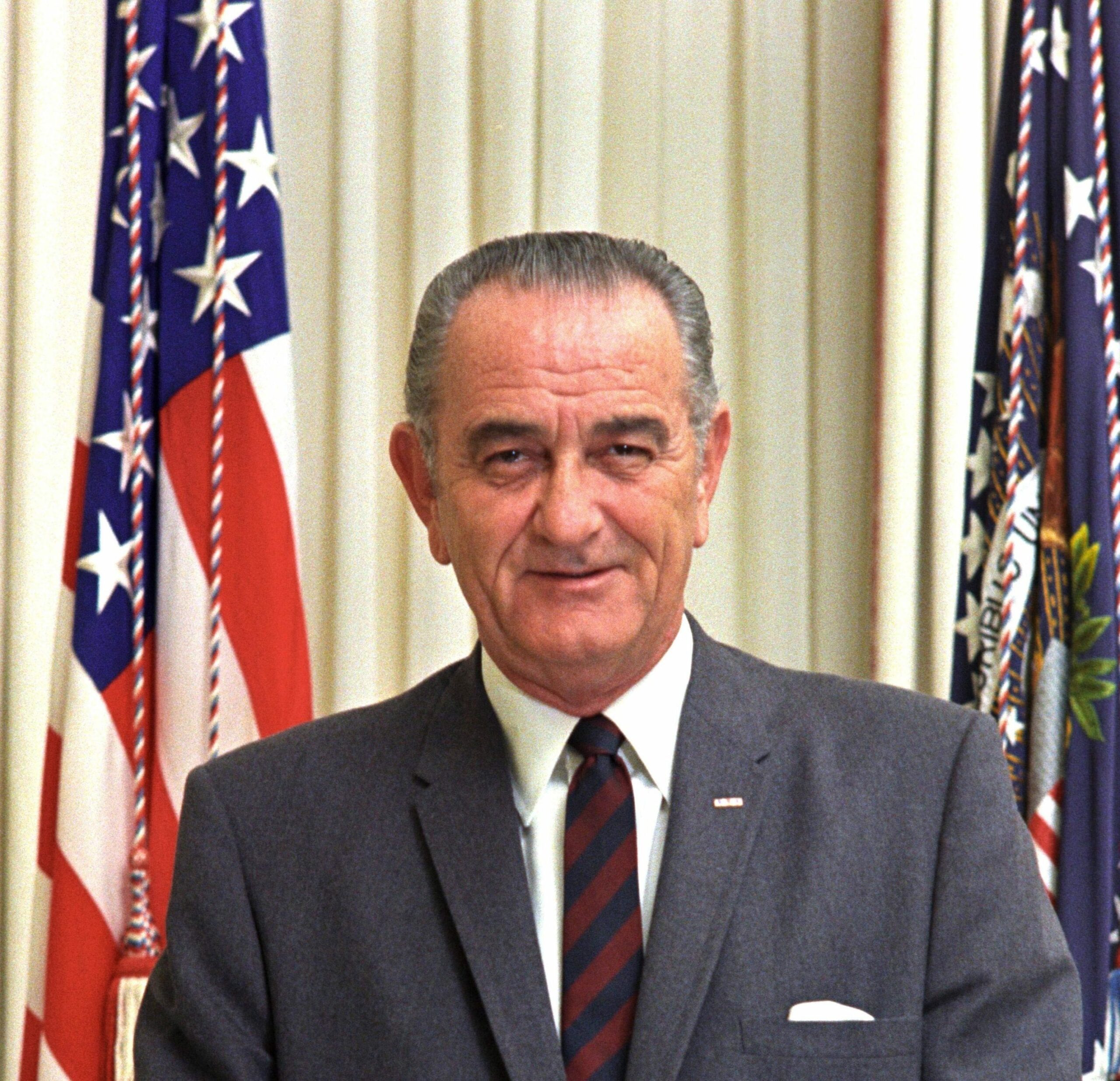
Rescinding Affirmative Action: The Legacy of LBJ's Executive Order 11246
In his final days in office, former US President Donald Trump revoked Executive Order 11246, a landmark directive promoting affirmative action in federal contracting. Signed by President Lyndon B. Johnson in 1965, the order mandated federal contractors to "take affirmative action to ensure that applicants are employed, and that employees are treated during employment, without regard to their race, creed, color, or national origin." This sweeping motion has spurred a heated debate on the merits of affirmative action, presenting complex implications for racial and social equity in the workplace and beyond.
Affirmative Action: A Contested Concept
Affirmative action policies have long been contentious, with proponents arguing that they offer necessary measures to redress historical discrimination, and critics denouncing them as unfair preferences that discriminate against non-minority groups. Executive Order 11246 has been a focal point of this debate, with its supporters emphasizing its successful track record in increasing representation of marginalized communities in the federal workforce and in industries such as construction and education. A 2017 report by the Government Accountability Office found that the share of women and minorities employed in federal contracting increased significantly between 1973 and 2013. Moreover, a 2021 study by the National Bureau of Economic Research found that affirmative action programs in college admissions boosted the lifetime income of Black and Hispanic students by 8% to 12%.
Despite these findings, opponents of affirmative action argue that such policies amount to reverse discrimination, violating the principle of equal opportunity under the law. They claim that these initiatives often lead to unqualified or less qualified individuals being hired or admitted to educational institutions in place of more deserving candidates. This, they argue, undermines meritocracy and promotes resentment among those who believe they have been unfairly disadvantaged by affirmative action programs.
The Trump Administration's Rescission
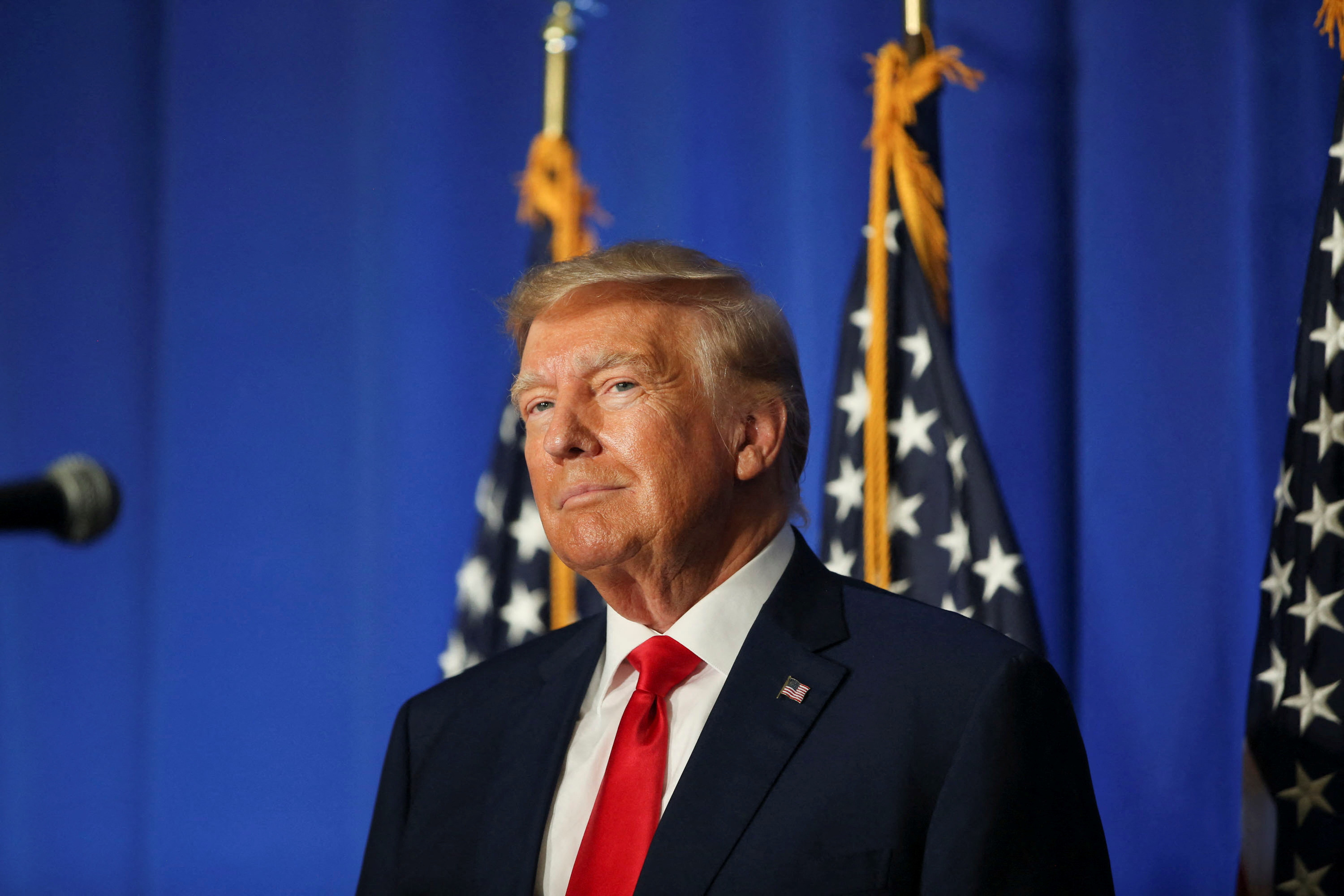
In September 2020, President Trump issued an executive order rescinding Executive Order 11246, arguing that it "has created a system of preferences based on race and sex that undermines equal opportunity." The order directs federal agencies to cease using race or sex as a factor in awarding contracts and grants, effectively dismantling the affirmative action framework that has been in place for over 50 years.
The Trump administration's rescission has been widely criticized by civil rights groups and Democratic lawmakers, who argue that it will roll back decades of progress made in promoting diversity and inclusion in the workplace. They contend that rescinding Executive Order 11246 will make it easier for employers to discriminate against minorities and women, exacerbating existing inequalities in the labor market.
The Road Ahead: Challenges and Opportunities
The rescission of Executive Order 11246 has ignited a heated debate about the future of affirmative action in the United States. Some argue that the country has made sufficient progress in overcoming racial discrimination, and that affirmative action is no longer necessary. Others maintain that systemic racism persists, and that affirmative action remains an essential tool for achieving equality.
The Biden administration has expressed a commitment to reversing the Trump administration's rescission and restoring affirmative action policies. However, this will likely face significant legal challenges, as opponents of affirmative action have already filed lawsuits seeking to block its reinstatement. The Supreme Court is expected to rule on the constitutionality of race-conscious affirmative action programs in the near future, with the outcome having potentially far-reaching implications.
Regardless of the legal battles ahead, the rescission of Executive Order 11246 has sparked a national conversation about the role of affirmative action in addressing racial disparities in education, employment, and other areas. This dialogue is likely to continue for years to come, as the nation grapples with the complex issues of racial and social equity.
Conclusion
LBJ's Executive Order 11246 has been a cornerstone of affirmative action in the United States for over half a century. Its rescission by the Trump administration has reopened the debate on the merits and legality of such policies. As the country moves forward, it is essential to engage in thoughtful and informed discussion on how to create a more just and equitable society - one where all individuals have the opportunity to succeed, regardless of their race, sex, or other protected characteristics.
Posting Komentar